Library

Learning That Shapes Practice.

Books, research and references for your coaching and development.

Coach contributions.

Explore session plans shared by other coaches, or submit your own for Neil’s integrity review and approval. Every published contribution keeps its author’s credit.

Explore contributions & share your work ↗
All areasPlayerCoachParentClub

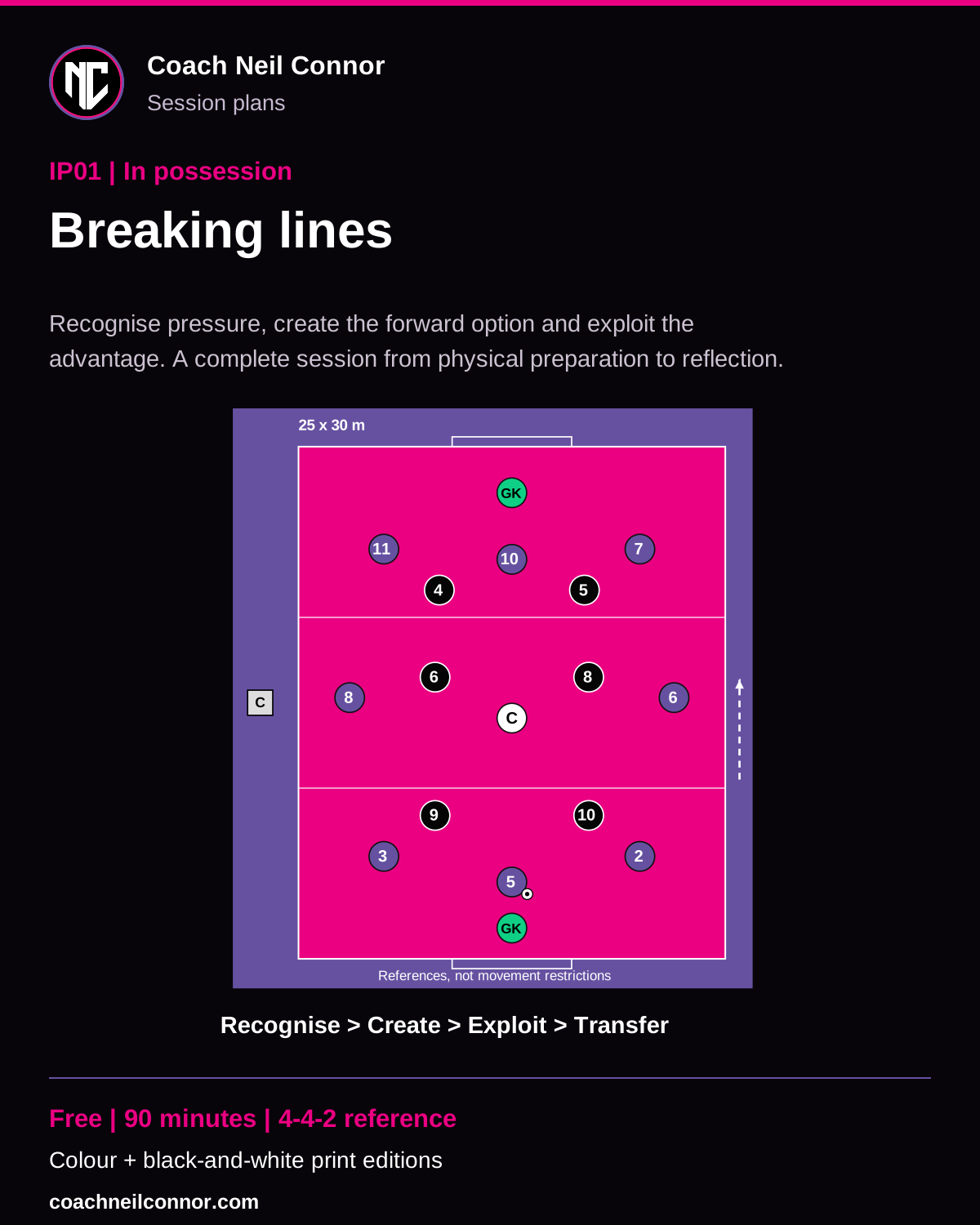
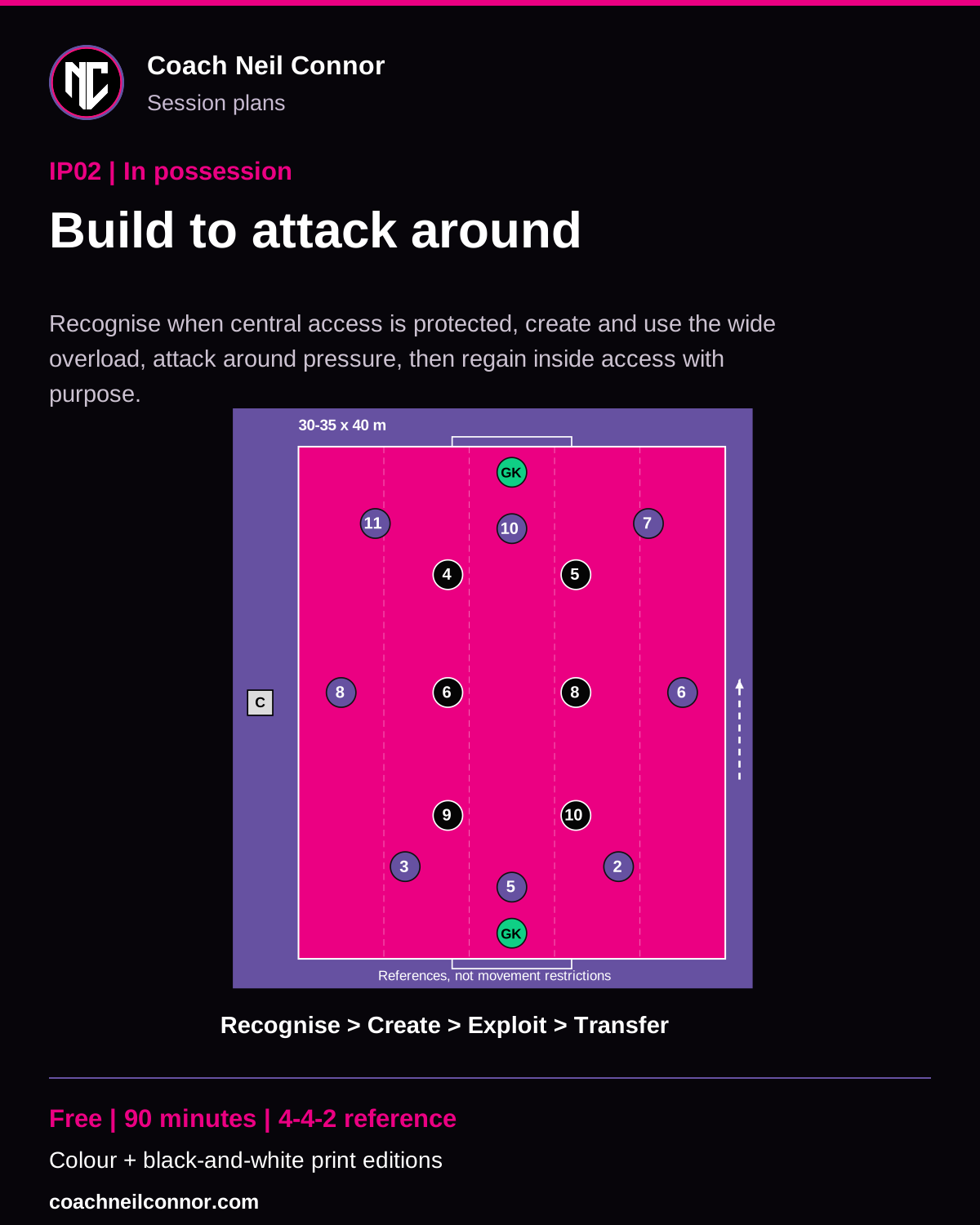
Session Plans

02

Research papers

Research that provides evidence, language or a constructive challenge for football-development practice.

Talent development · Pathways

Talent Identification and Development Programmes in Sport

Vaeyens, Lenoir, Williams & Philippaerts · 2008

A critical review of talent identification and development, including the limitations of early prediction and the complex influences on progression. It provides important context for designing patient, evidence-aware pathways.

Why it matters: It challenges simplistic judgements about potential and reinforces the need for long-term development thinking.

View the source
Parent support · Well-being

The Role of Parents in Youth Sport

Harwood & Knight · 2015

Research on how parents can support young athletes through encouragement, appropriate involvement and effective communication. It offers a useful framework for balancing care, challenge and growing player autonomy.

Why it matters: It helps families support development without making approval feel dependent on performance.

View the source
Motivation · Emotional support

Fear of Failure in Young Athletes

Sagar, Lavallee & Spray · 2007

An examination of how fear of failure can shape young athletes’ emotions, motivation and behaviour. The findings provide important context for responding to selection decisions and setbacks with empathy and perspective.

Why it matters: It reinforces the importance of separating a player’s identity from outcomes and avoiding conditional approval.

View the source
Long-term development · Youth sport

The Youth Physical Development Model

Lloyd & Oliver · 2012

A framework for considering physical development across childhood and adolescence. It helps coaches and organisations think more carefully about maturation, appropriate training priorities and individual variation.

Why it matters: It provides a useful reference when development cannot be understood through chronological age alone.

View the source

Curated to support better questions—not prescribe one answer.

The collection will grow alongside the work, with every addition connected to one or more development areas and accompanied by a concise explanation of its practical value.

See how these ideas connect to practice